By Tom Woodward
Queenstown Local & Mine Worker
Tom Woodward
•

Macraes gold mine and mill, Otago, 2007. Photo: Phillip Capper / Wikimedia Commons, CC BY 2.0.
Nearly ten years ago I bought a small unit in Queenstown with money I'd saved working as a scaffolder in the Australian mines. It was expensive then, but today there's no way the bank would lend me enough to buy the same property.
I tried to build a future here. I went back to university, completed a degree in IT, and believed skilled work in technology was my pathway to staying in New Zealand permanently instead of returning to Australia.
I was wrong.
The salary looked respectable on paper, but it wasn't enough to support a young family in Queenstown, and we got stuck in debt just from paying for the essentials. I had to apply for a WINZ hardship benefit to get by. You don't simply ask for one; WINZ examines your entire financial situation before deciding whether you are genuinely poor enough to qualify. Their assessment was objective: despite working full time in a skilled profession, we qualified.
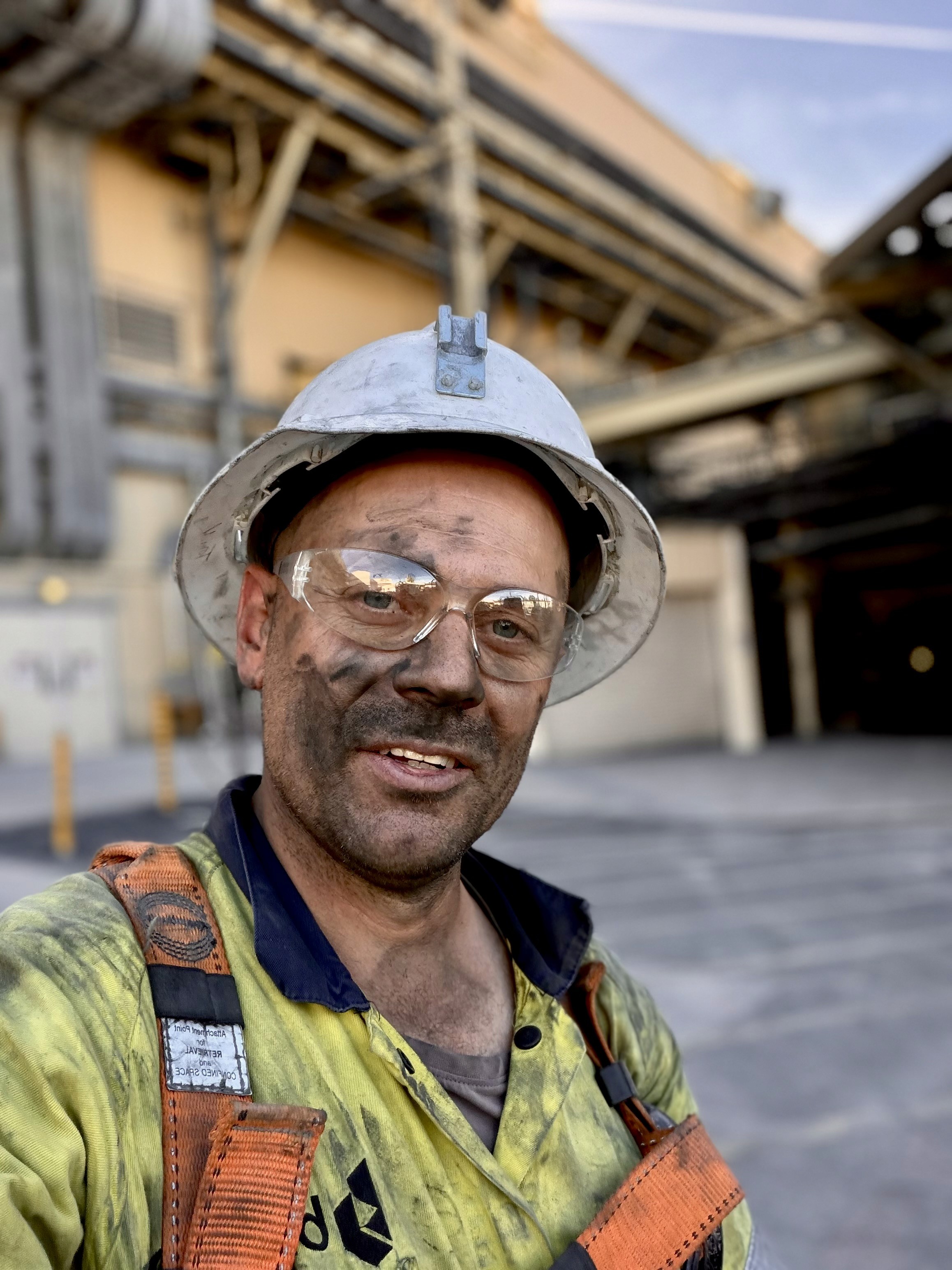
Around the office, almost everyone else was in a similar position. Nobody talked about buying a house. They talked about surviving the next rent increase and where they were on the Queenstown Lakes Community Housing Trust waiting list.
Eventually I made the decision I didn't want to make. When an opportunity came up, I returned to Australia and went back to scaffolding in a mine, working FIFO (fly-in-fly-out) from Queenstown. I now earn roughly NZ$100,000 more per year than I did working in tech in New Zealand.
The irony is that I didn't leave New Zealand because I wanted a mining career.
I left because I wanted to stay in Queenstown.
My experience isn't unusual. Anyone who has lived in the Southern Lakes region for long enough has watched similar stories play out.
You make friends, spend winters on the mountain and summers at the lake. Everyone intends to stay. Then, one by one, they disappear. Not because they stopped enjoying the region, but because they realised they were never going to get ahead in a holiday-job economy. Eventually they leave in search of careers that offer a future.
This isn't just a Queenstown problem. If the rest of the Southern Lakes wants to see its own future, it only has to look over the Crown Range.
Central Otago has the same appeal - mountains, lakes, snowboarding, mountain biking, alpine tramping, festivals, wineries, and some of the most spectacular landscapes in the country.
Queenstown isn't an exception; it's simply the first domino. The same pressures are steadily moving through Wanaka, into Cromwell, then Alexandra. It's Central Otago's preview of the future.
Queenstown has a sister-city relationship with Aspen, Colorado. The question is whether Aspen is an inspiration or a warning. Do we want this region to become so exclusive that ordinary working people can no longer afford to live here?
I reject the argument that people should just bugger off if they can't afford it. That means the hollowing out of the community by excluding the very people who keep the district functioning. Many people have families and children here. Telling them to leave for somewhere cheaper is failing.
We can either accept that future, or choose a different one. I believe the proposed Santana Mine - the Bendigo-Ophir Gold Project - is one of those defining crossroads.
House prices in the Southern Lakes are insane. The average property value in Queenstown-Lakes is now above $2 million, while the cheapest housing stock here is often more expensive than a good home in Auckland.
For houses, entry-level pricing in Queenstown-Lakes is around the $1 million mark and can be much higher. Older three-bedroom homes in areas such as Fernhill are around $1.2–$1.3 million, while an entry-level home in Hanley’s Farm has been listed at $1.6 million.
On a $1 million property, a 20% deposit is $200,000 and, by my rough estimate, a household would need an income of around $150,000 a year to make the mortgage workable. For ordinary working families, the maths simply doesn't work. Teachers, nurses and tradies serve one of the country's wealthiest regions while being locked out of owning even the most modest home within it.
The QLDC's Affordable Housing Strategy acknowledges exactly this problem, warning that there is concern about households “unable to purchase affordable housing … [who] are essential for local economic vitality and quality of life.”
The result is a place where people can make a living, but can't build a life.
The Queenstown Lakes Community Housing Trust waiting list has become a normal part of life for many locals. QLDC's 2025 Housing and Business Capacity Assessment reported that around 1,480 households - about 7% of the district's resident population - were on the Trust's waiting list.
For many locals, the Queenstown Lakes Community Housing Trust is the only realistic pathway to buying a home in the region they already live and work in.
Home ownership is the cornerstone of a community. It gives people a reason to put down roots, raise children and think about the next twenty years instead of the next twelve-month lease.
Without home ownership the middle class withers and society further stratifies into renters who struggle and owners who accumulate wealth. Once enough people believe they'll never own a home, communities become increasingly transient. Protecting the pathway to home ownership isn't a luxury. It's a necessity.
People often assume that because I now earn a mining wage I'm well off. I'm not. It just allows my family a standard of living that used to be considered ordinary and middle-class: paying the mortgage, fixing the house or car when problems come up, and buying winter firewood to heat the house without going backwards into debt.
That isn't being well off. It's just how a normal life should be.
You see the same pattern among migrants who have tried to live here.
Because I like speaking foreign languages, I've known many South Americans who have lived in Queenstown for years. Many work in hotels, restaurants and hospitality while trying to build a future. Eventually they realise there isn't one. They either return home or leave for countries with better opportunities.
Many of those who do stay are simply doing their time until they qualify for New Zealand citizenship, not so they can remain here, but so they can move to Australia and finally build a future.
I can't think of a more damning indictment of the New Zealand economy than being seen as little more than a stepping stone on the backdoor route into Australia.
There are really two Queenstowns.
Every time I go through the airport I see the row of private jets belonging to the global ultra-wealthy and Hollywood celebrities flying into and out of their multimillion-dollar holiday homes.
Drive between Arrowtown and Queenstown and the hills are lined with gated driveways. If you look down from Coronet Peak, you can see the mansions they lead to, many worth tens of millions of dollars. One Queenstown estate sold in 2023 for $45.5 million, setting a national house-price record.
At the same time, many of the workers who keep this economy running are living in cars, renting garages converted into dormitories, building huts in the bush, or cramming into overcrowded houses because they simply can't afford anywhere else.
QLDC's 2025 Quality of Life Survey also found that 10% of residents had experienced homelessness or temporary or insecure accommodation in the previous year.
A term has become familiar in local discussion for people trapped in this situation: Queenstown's “working poor”.
It's like a scene from Brazil. Few places in New Zealand display such extraordinary wealth and such visible housing hardship side by side.
The obvious question is how we change this. The Southern Lakes has no shortage of work; it has a shortage of careers.
Tourism and viticulture create thousands of jobs, but many are seasonal, lower paid and concentrated in hospitality and service work. QLDC's 2024–25 Annual Report recorded 11,576 tourism jobs - 33.5% of all jobs in the district.
Hotels, housekeeping, baristas, vineyard labour and fruit picking are honest jobs, but they rarely provide the income needed to buy a home or raise a family here.
There's a persistent myth that mining is a low-value industry. The reality is the exact opposite. According to official New Zealand earnings data, mining is the highest-paying industry in the country, with average annual earnings of around $144,000. It pays more than any other sector of the New Zealand economy.
That's why the proposed Santana Mine matters. It doesn't replace tourism or wine. It adds something the regional economy has been missing for decades: another source of skilled, year-round employment.
An independent economic peer review prepared for Otago Regional Council says the proposed mine would employ an average of 350 workers directly each year across the lifespan of the operation, with an average salary of about $140,000.
Entry-level mining roles in New Zealand are around $100,000. At the Snowy River Mine on the West Coast, for example, the starting salary is $90,000. Mining needs engineers, electricians, diesel mechanics, welders, crane operators, IT professionals and dozens of other skilled trades, while creating opportunities for local engineering workshops, transport companies, fabricators and equipment suppliers.
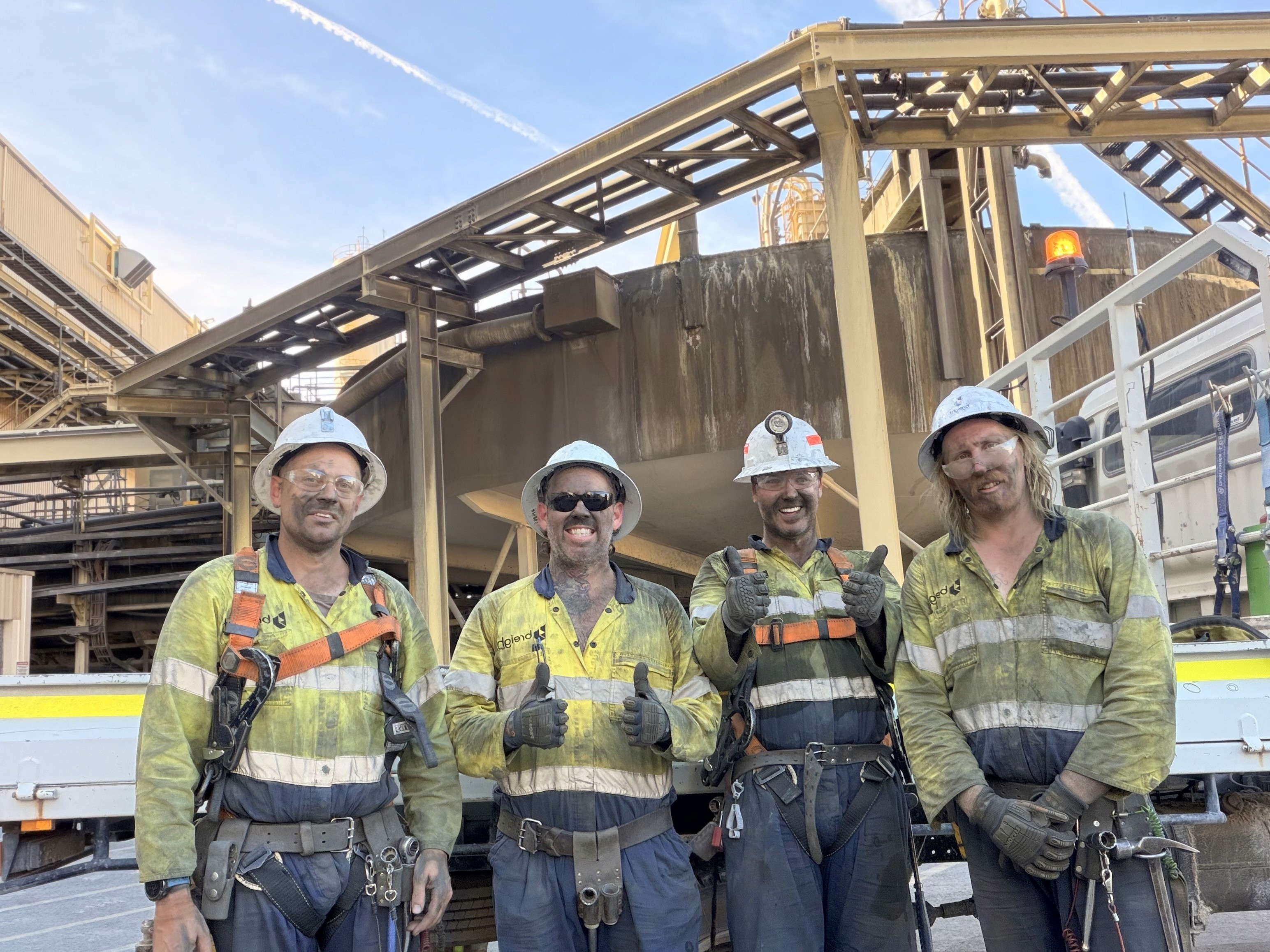
Those aren't just jobs. They're careers that allow people to qualify for mortgages, support families and stay in the Southern Lakes. They can also create apprenticeships, giving local teenagers a reason to build their future here instead of immediately looking across the Tasman.
There has been a huge amount of misinformation swirling around about what modern mining actually is.
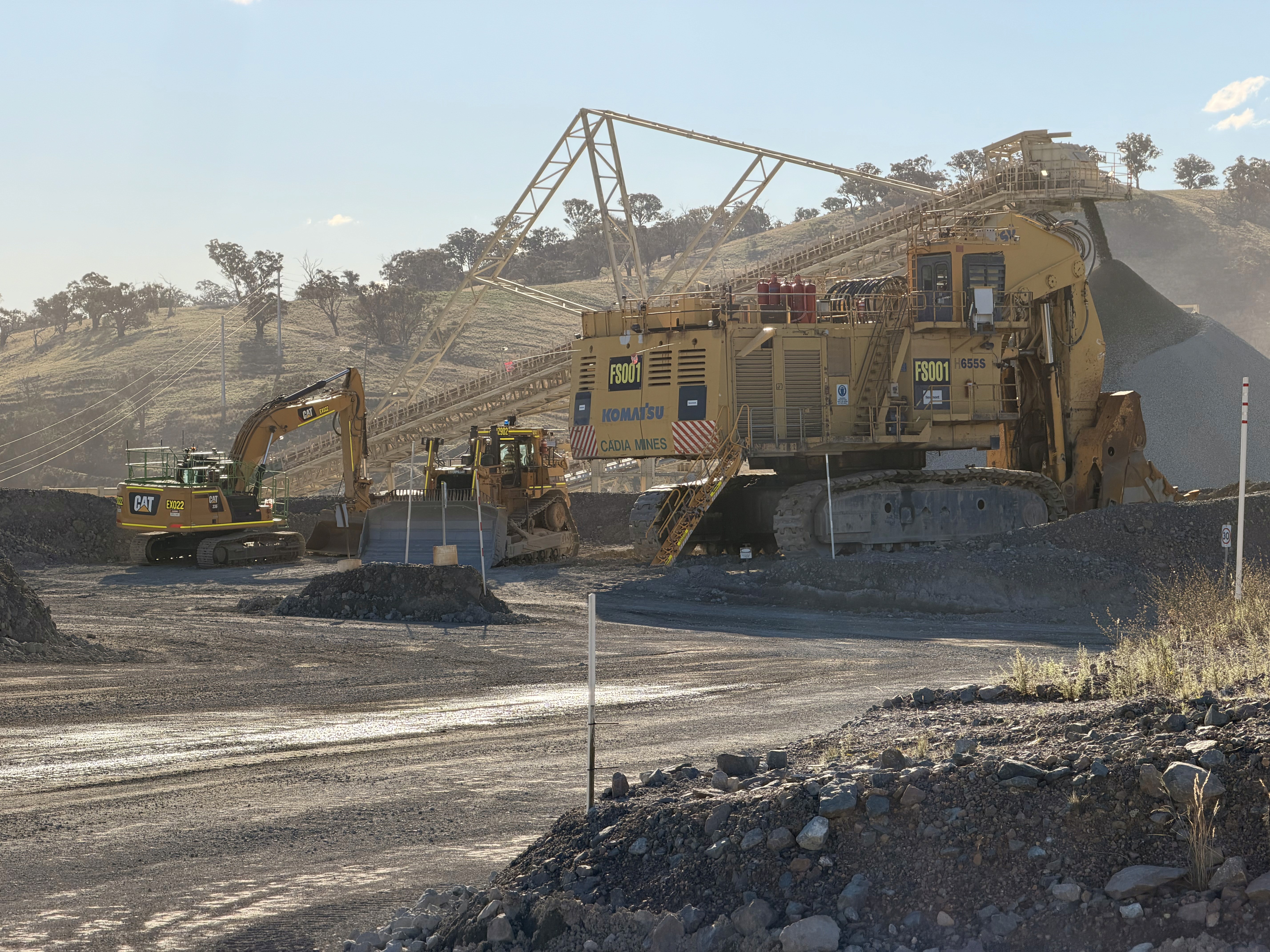
Many people still picture men underground with pickaxes and canaries. The reality is that today's mines are highly engineered industrial operations.
I don't dig for gold. I build scaffolds around enormous machines so specialist crews can replace electric motors, repair conveyor systems and weld fatigue cracks in giant reclaimers. Most people on a modern mine are operators, electricians, fitters, mechanics, boilermakers, engineers and maintenance technicians.
Mining technology has changed dramatically. Many people's perception of it has not.
Of course, not everyone sees this as an opportunity.
I completely understand why many wealthy residents oppose the mine. If you've spent millions on a holiday home overlooking one of the most beautiful landscapes in New Zealand, of course you don't want industrial development anywhere nearby. That's a perfectly rational position.
It's also a position shaped by circumstance. If your wealth comes from somewhere else, the Southern Lakes is a place to enjoy it, not a place to earn a living.
You have no reason to want a mine, and no reason to want mine workers as your neighbours. You're more likely to want to rub shoulders with other ultra-wealthy holiday-home owners than with the mechanics, electricians and machine operators who keep the region functioning.
The interests of someone protecting a luxury lifestyle are naturally very different from those of someone trying to build a career in the same place.
However, a resilient regional economy needs more than one pillar to support it. The Southern Lakes shouldn't have to choose between tourism and wine or mining. It should have all three, and ordinary working families should have the chance to live in the region they sustain.
My FIFO contract will eventually end. When it does, my family will face the same decision confronting thousands of New Zealanders: relocate permanently to Australia, or stay here and slide backwards into the region's “working poor”.
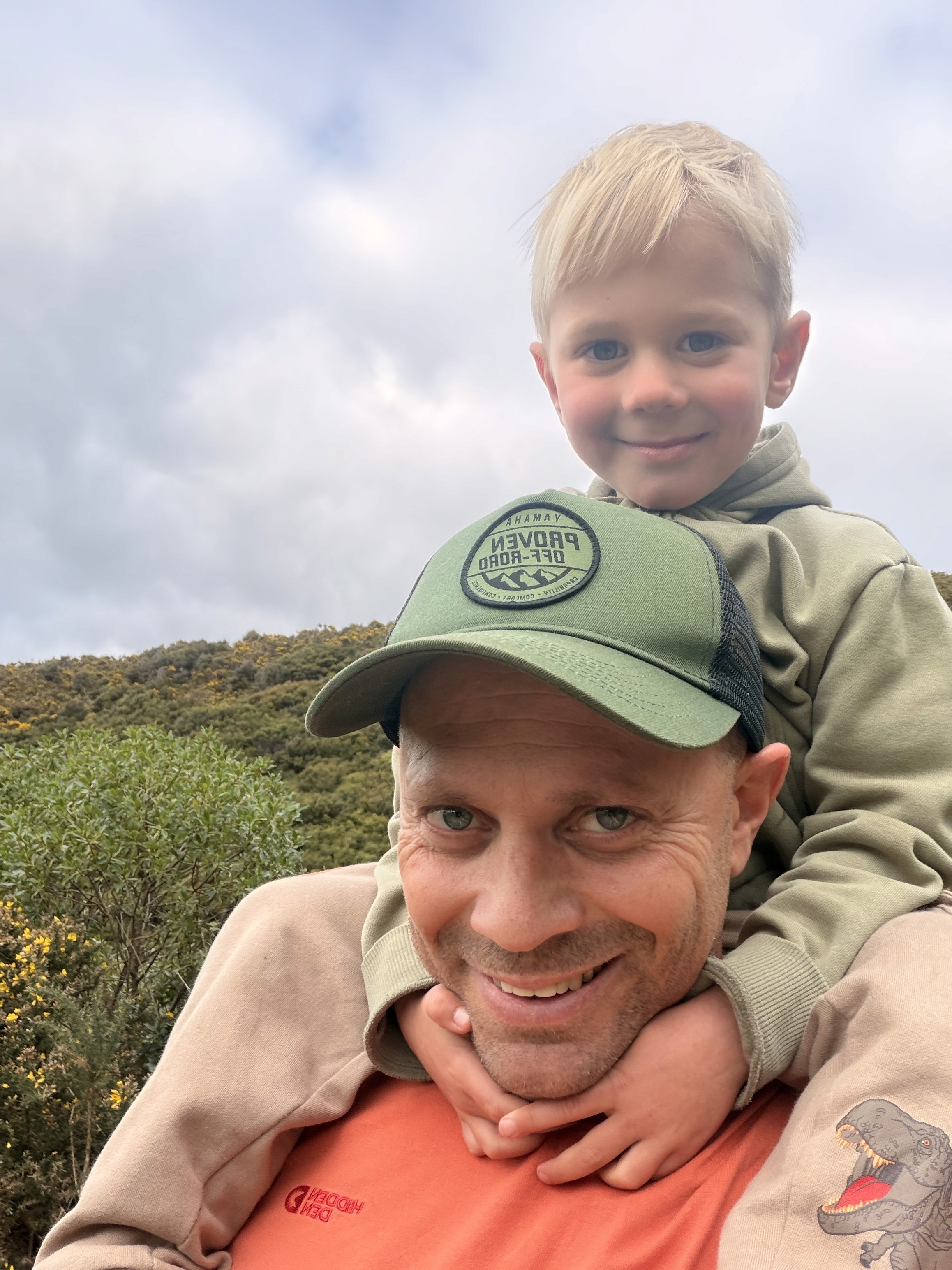
I don't want my children growing up believing the only way to build a decent life is to leave New Zealand.
I don't want the Southern Lakes to become a place where the wealthy own the landscape, while the people who keep it running are transient migrant workers on working holiday visas, earning close to the minimum wage, who move on because they can never build a future here.
To me, the Santana Mine is about far more than gold. It's about whether the Southern Lakes can remain a place with a genuine middle class, where young people can build careers, buy homes and raise families without getting onto a flight to Australia.
That's the choice I want fewer local families to face.
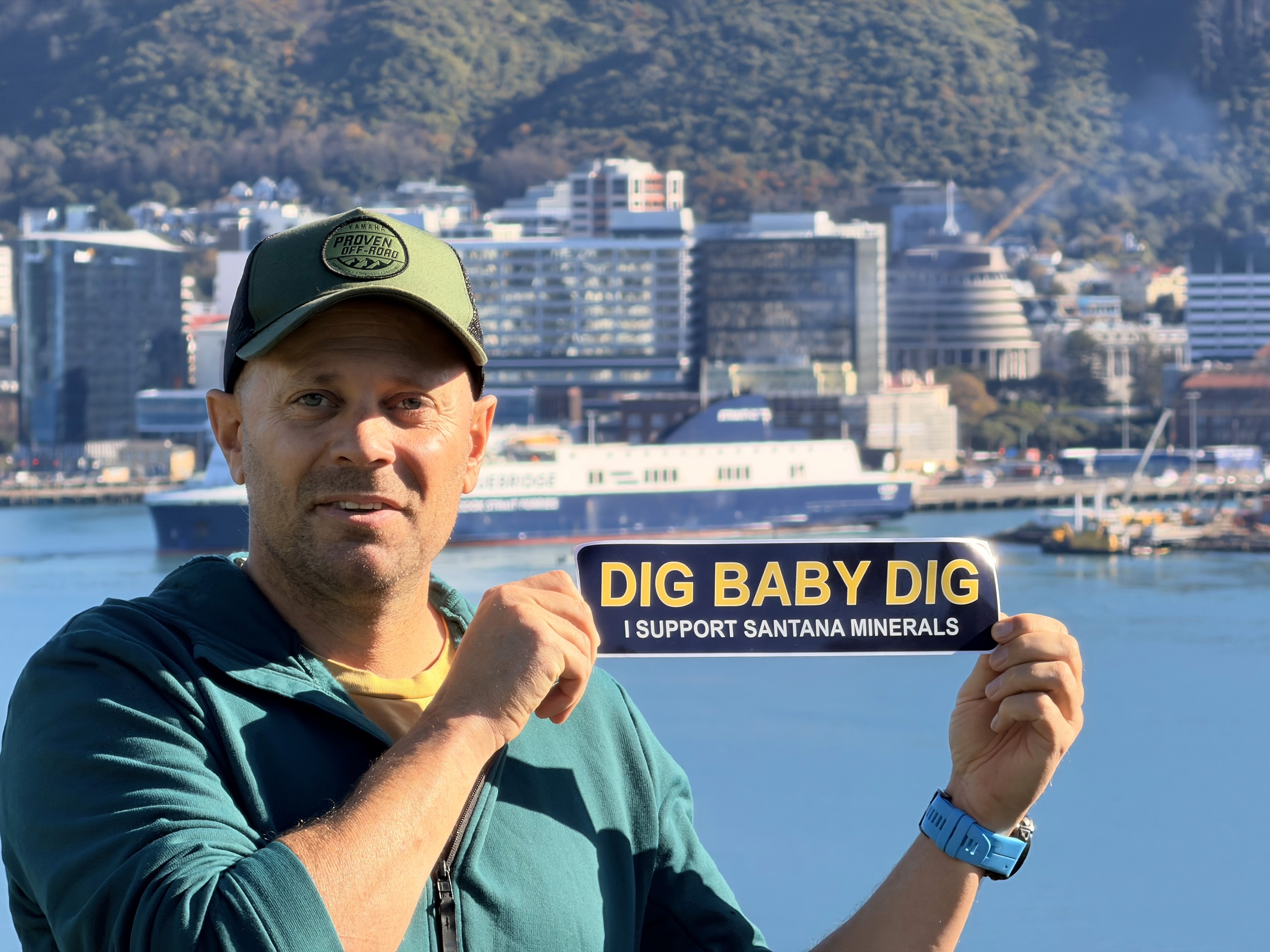
Instagram: @tom.woodward.videos
YouTube: @TomWoodwardVideos
Facebook: Santana Mine Supporters
Queenstowning publishes local perspectives and supports open, respectful debate. The views expressed in opinion pieces belong to the author and do not necessarily reflect the views of Queenstowning.
ABOUT THE AUTHOR
Queenstown Local & Mine Worker
Tom Woodward is a Queenstown resident and outdoor enthusiast. After 14 years travelling the world and working everywhere from the Australian mines to remote mountains in Patagonia, he now raises a young family in Queenstown. He wrote this article as a personal case for protecting the middle-class future of Central Otago through the Santana Mine.
View profile →
Enjoyed this story?
Queenstowning is independently built. If you enjoy what we’re creating, you can help keep the stories coming by buying the team a coffee.
Buy the team a coffee ☕
Tag @Queenstowning or use #Queenstowning and show us your version of the Queenstown state of mind.