Arts & Culture

By Santiago Bonhomme
Writer
Santiago Bonhomme
•

The Man in Front of the Piano
My son Jeremías cried when Sam Neill died.
He is eight years old, and for much of his childhood Sam Neill was not Sam Neill. He was Alan Grant. The man in the hat, the paleontologist who knew how to stay still when staying still was needed and how to run when there was no other option left. We had watched Jurassic Park so many times that for Jeremías the news had little to do with the death of an actor.
Someone he knew had died.
My own memory, though, began much earlier, and in a completely different place.
I saw The Piano when New Zealand was still, for me, a remote place on the map. I didn’t know its forests. I hadn’t walked under this rain, or known the darkness that falls early during winter and makes certain landscapes beautiful and threatening at the same time. I didn’t know, either, that one day I would end up living here.
Then that beach appeared. The ocean, a woman who didn’t speak, and a piano abandoned in front of the water.
I don’t remember The Piano the way I remember other films. Over the years scenes have faded, dialogue has blurred, small turns in the story have disappeared. What remains is the physical impression it left on me, as if for those two hours I had entered a place I later found hard to leave.
I remember the dresses moving laboriously through the trees, the music of Michael Nyman, and the hands of Holly Hunter.
I was, of course, not the only one that film unsettled and seduced. The Piano became one of the great cinematic events of its time. It shared the Palme d’Or at Cannes and arrived at the Oscars with eight nominations. It took home three, for Holly Hunter, Anna Paquin, and Jane Campion’s screenplay. A film born at this edge of the Pacific had managed to place itself at the center of world cinema.
But none of that fully explains what happens when Ada sits down at the piano.
Ada doesn’t speak, yet rarely has silence occupied so much space in a film. The piano is her voice, but also her body, her desire, her memory, and perhaps the last territory that truly belongs to her. When she plays, she stops being the woman others try to decide she should be.
Campion understands something far more material too. The piano has weight. It has to be carried, abandoned, negotiated over, recovered. Everyone wants to decide what to do with it.
Just as with Ada.
That weight forces the characters to reckon with the instrument, to decide how much effort they’re willing to spend moving it, keeping it, or letting it go. Something similar happens with the landscape. It isn’t there to decorate the story. It has to be crossed.
And in the middle of all that appears Sam Neill.
Alisdair Stewart doesn’t know how to listen to Ada either. He has arrived in a land he intends to make his own, and he receives a wife who has come from the other side of the world. He applies much the same logic to both. Measure, mark out, possess. Ada is what he has no measure for.
He could have simply played jealousy. He does something far more unsettling. He plays a man who does not understand. Stewart looks at Ada hoping to find whatever would let the marriage, the house, and the desire begin to function according to the order he knows. But Ada doesn’t fit that order, and once understanding stops being possible, Stewart tries to possess instead, and ends up arriving at violence.
The actor doesn’t prepare the character to turn him into a monster. He gives no warning. He simply lets him get there.
That may have been the first thing I saw in him without knowing yet that I was seeing it. His capacity to remain. Other actors need to conquer a scene; he could stay inside one until you began to wonder what was happening behind his face.
To understand what place that face holds in New Zealand cinema, you have to go back sixteen years, to 1977 and Sleeping Dogs.
Roger Donaldson filmed a New Zealand that could hardly be mistaken for a postcard. There was an authoritarian government, protests, repression, violence. Smith, played by a thirty-year-old Sam Neill, tries to stay out of all of it and ends up caught between the state and an armed resistance. It was one of the films that dared to show that uneasy country behind the friendly scenery, and it found a considerable audience within New Zealand, helping prove that a local production could fill its own theatres.
Sam was there before everything that came afterward existed. Before the major international recognition, and before the landscapes of New Zealand became some of the most recognizable images in world cinema. When this country began looking for itself on screen, his was one of the faces it found.
Australia, England, and Hollywood followed, along with films like My Brilliant Career, Possession, A Cry in the Dark, and Dead Calm. Until 1993, when he appeared in The Piano and Jurassic Park almost simultaneously, two films that could hardly be further apart.
While Stewart tried to understand a woman whose silence unsettled him, Alan Grant tried to survive on an island populated by animals extinct for millions of years. In one film everything was held in the face. In the other, that same face had to react to the impossible.
More than thirty years later, both films ended up meeting in my house. For Jeremías it arrived with the dinosaurs. For me it had arrived much earlier, with The Piano.
In 1995 he did something unusual. He stood in front of a camera without a character and turned his gaze toward the cinema of his own country. Cinema of Unease: A Personal Journey by Sam Neill, co-directed with Judy Rymer, is exactly that. An actor trying to make sense of the films that had come out of the place where he grew up.
His reading wasn’t kind. Behind the clean, extraordinarily beautiful image New Zealand offered to the outside world, he found isolation, fractured families, violence, and a persistent unease, the very unease of the title, one he traced as much in the revisionist western of Utu as in the domestic dread of Vigil. That observation helps explain why such different films can feel strangely close to one another. The Quiet Earth, Once Were Warriors, Heavenly Creatures, or The Piano itself all seemed to be arguing, each in its own way, with the too-perfect image of the country they belonged to.
His filmography had ended up crossing paths with much of that history.
Nearly forty years after Sleeping Dogs, Taika Waititi cast him as Hec in Hunt for the Wilderpeople. An aging man, rough around the edges, uneasy with affection, forced to cross the bush alongside Ricky Baker.
His way of acting had changed too. As Hec he seems to work by subtraction. A look, the shoulders, a pause held just a beat longer than expected. He no longer needs to explain much.
Off screen he didn’t seem to need to either. After filming he would go back to Central Otago. There were Two Paddocks, the vineyards, the animals, and a life he had built over decades, far from the usual machinery of an international star.
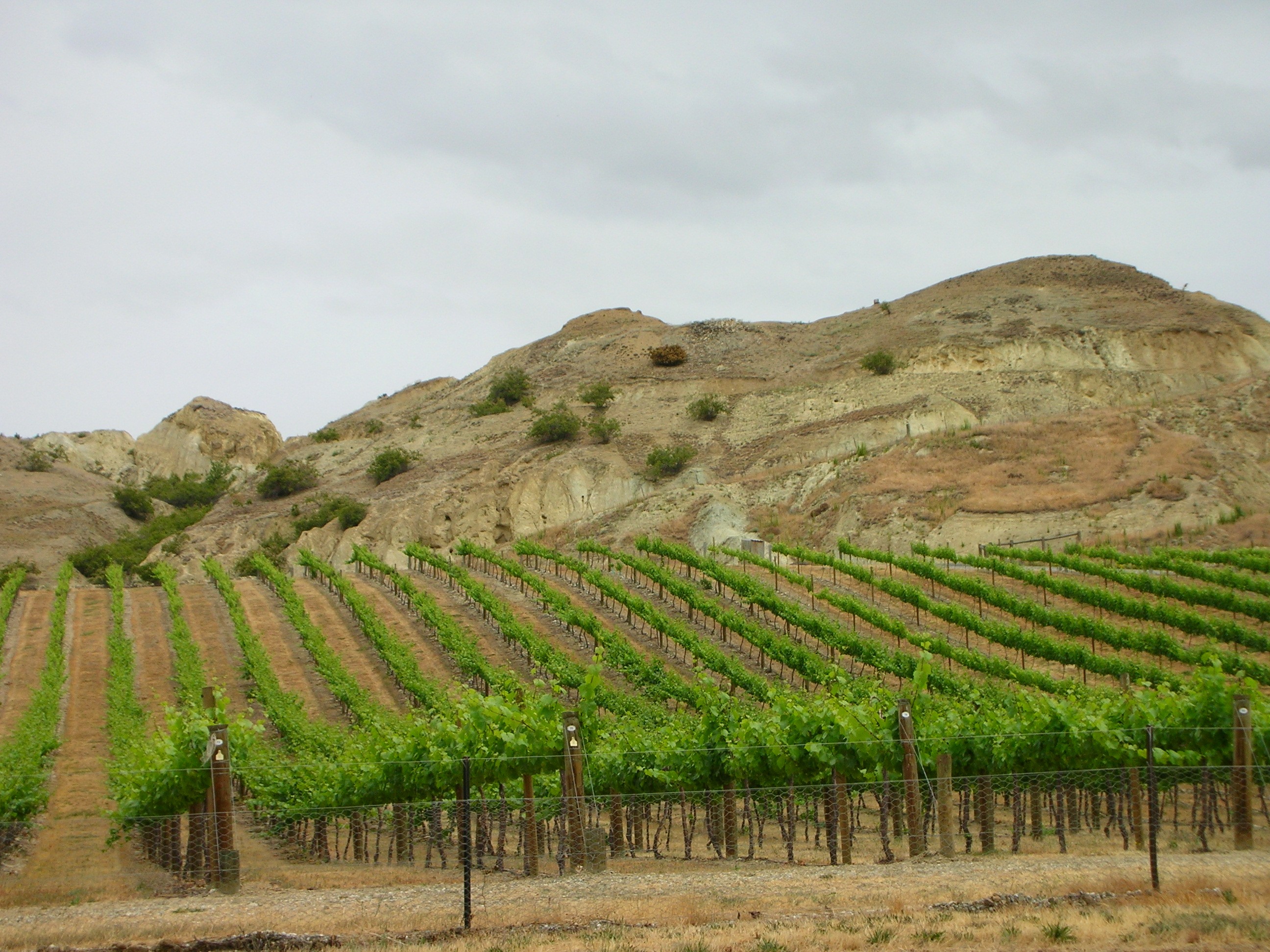
In Clyde and Alexandra, he was just Sam. You could find him having coffee, walking into a restaurant, or supporting Alexandra’s small community cinema. Celebrity and that local life seemed to coexist without much ceremony.
There was something recognizably New Zealand in his dry humor, in his reluctance toward solemnity, in the way he spoke about himself. He could spend months working far away and then come back to the vineyards. Hollywood never quite managed to take him away for good.
When he died, Jeremías cried for Alan Grant.
I thought about the young man in Sleeping Dogs, about Stewart, about Hec, and about all the years that passed between them. Few careers let you watch, up close, both the growth of a country’s cinema and the aging of one of its faces.
But if I had to choose one film to watch him in again, I’d choose The Piano.
More than thirty years have passed since that first time. Back then New Zealand was, for me, a remote place. Now I live here.
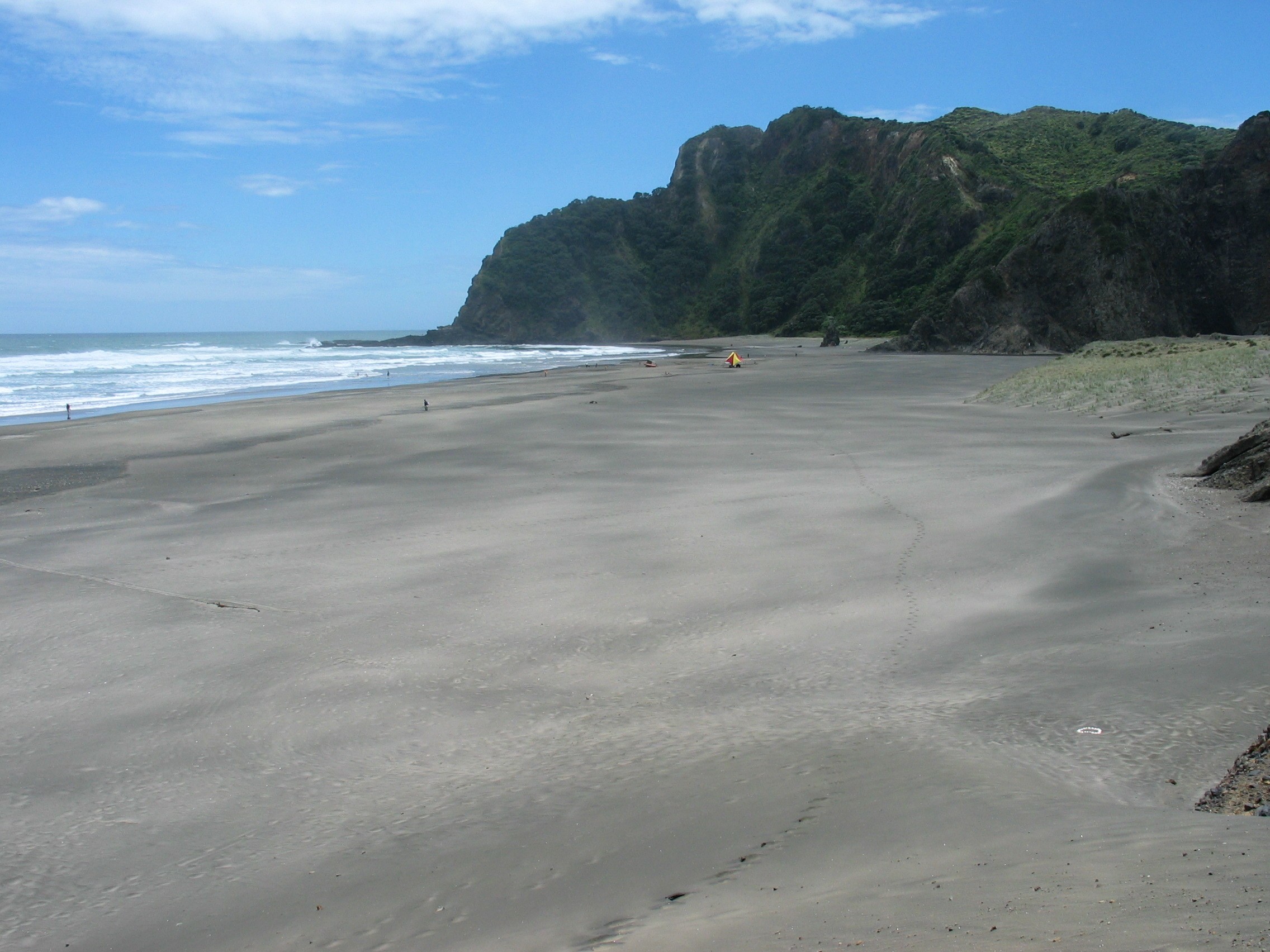
I want to watch Ada arrive at Karekare again. Hear Michael Nyman’s music once more. Look at Stewart without the blurred memory I’ve kept of him all these years, a man in front of the piano, watching something he never quite managed to understand.
And one day Jeremías will see it too. Not yet. For now, Sam is still Alan Grant to him.
One day he’ll recognize the man standing next to Ada, and he’ll probably tell me he’s the one from Jurassic Park.
He’ll be right.
I’ll just have to let him keep watching. It is, after all, the same thing I do every time I sit down to write about the films that shaped me. Let someone else watch them, and hope they stay with them too.
ABOUT THE AUTHOR
Writer
Santiago Bonhomme is a Queenstown-based writer and journalist. His work for Queenstowning explores place, culture, memory and the lives built around them.
View profile →
Enjoyed this story?
Queenstowning is independently built. If you enjoy what we’re creating, you can help keep the stories coming by buying the team a coffee.
Buy the team a coffee ☕
Tag @Queenstowning or use #Queenstowning and show us your version of the Queenstown state of mind.