By Joaquín Benedicto
Contributor - Geography & Urban Affairs
Joaquín Benedicto
•
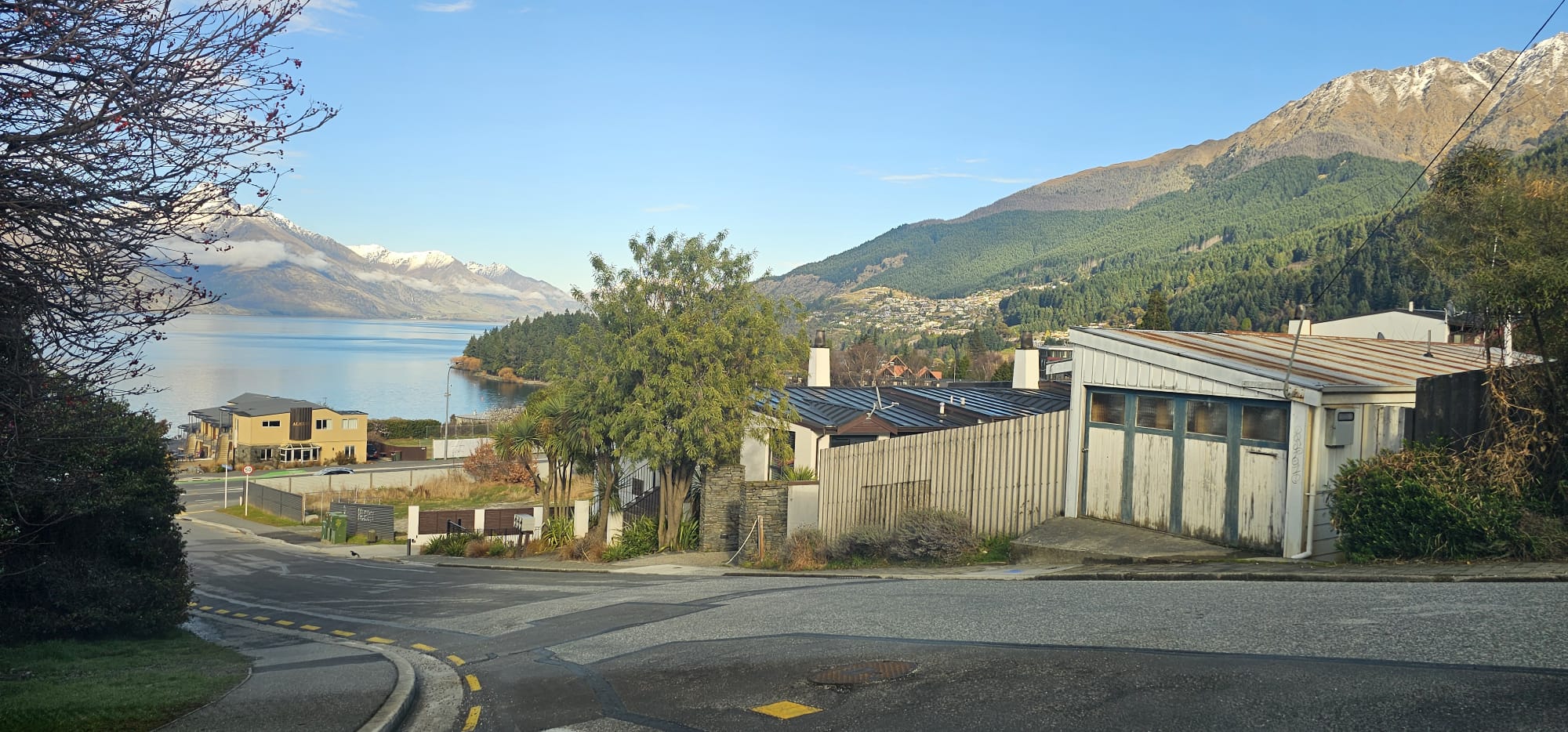
Queenstown’s postcard landscape is also the setting of everyday life for the people who call it home. Photo by Queenstowining.
There are places that seem like a dream. Queenstown is one of them. The lake, the mountains, the snow, the skiers, the bikes, the tourists having a coffee and walking through the town centre. The image is known all over the world: the Earnslaw sailing across Lake Wakatipu at sunset. But behind that postcard, there is another Queenstown. Perhaps, to understand the Queenstown of today, we first need to look at its past.
In 1862, gold was discovered in the region and thousands of people quickly arrived in search of fortune. The territory had a resource that could be extracted and sold, and that resource was enough to connect this small corner of New Zealand with people arriving from far away.
More than a century later, Queenstown is experiencing another kind of gold rush. This time, the gold is not underground. It is in the landscape, in the mountains, in the lake, in the snow and in the possibility of experiencing a place that millions of people want to visit. The resource is no longer extracted from a river; it is consumed through a property with a view of the mountains.
And there is an important difference. Gold could eventually run out. The tourist landscape can be sold over and over again until its surroundings are no longer attractive. Every season brings new visitors, new workers, new businesses and new investments. Queenstown has stopped being simply a small tourist town and has become part of a much broader economy, connected to capital, people and companies arriving from different parts of the world.
The geographer Michael Woods studied precisely this process in Queenstown. His idea of the global countryside describes how places that once seemed distant from major economic centres begin to become part of global networks of tourism, investment, migration and consumption. This town is a good example. Globalisation does not mean that everything comes from outside. There are also local decisions, people who promote growth, others who question it, and many who are simply trying to find their place within it.
“Globalisation connects people, but not everyone in the same way” (Woods, 2011). Mobility, in this context, becomes a fundamental source of power. Some people and forms of capital can move almost without limits.
And here a more difficult question appears. What happens to a city when the place where its community lives also becomes a product that the world wants to consume?
A city is much more than its streets, buildings and mountains. Its personality lies in its people. It is in those who arrived decades ago and those who arrived only a few months ago. In families who want to stay, in hotel and restaurant workers, in those who drive buses, build houses, clean rooms or work in local shops.
The social networks built in a pub or at a bus stop are also part of a city. Yet, despite this, we often try to solve urban problems by thinking only about infrastructure. For example, if there is traffic, we build more roads. But what happens when the problem is not only how much space a city has, but who can access that space?
Housing allows us to see this transformation quite clearly. A house can be many things at the same time. It can be a place where a family lives, a property to rent, a second home or an investment. It can also become tourist accommodation.
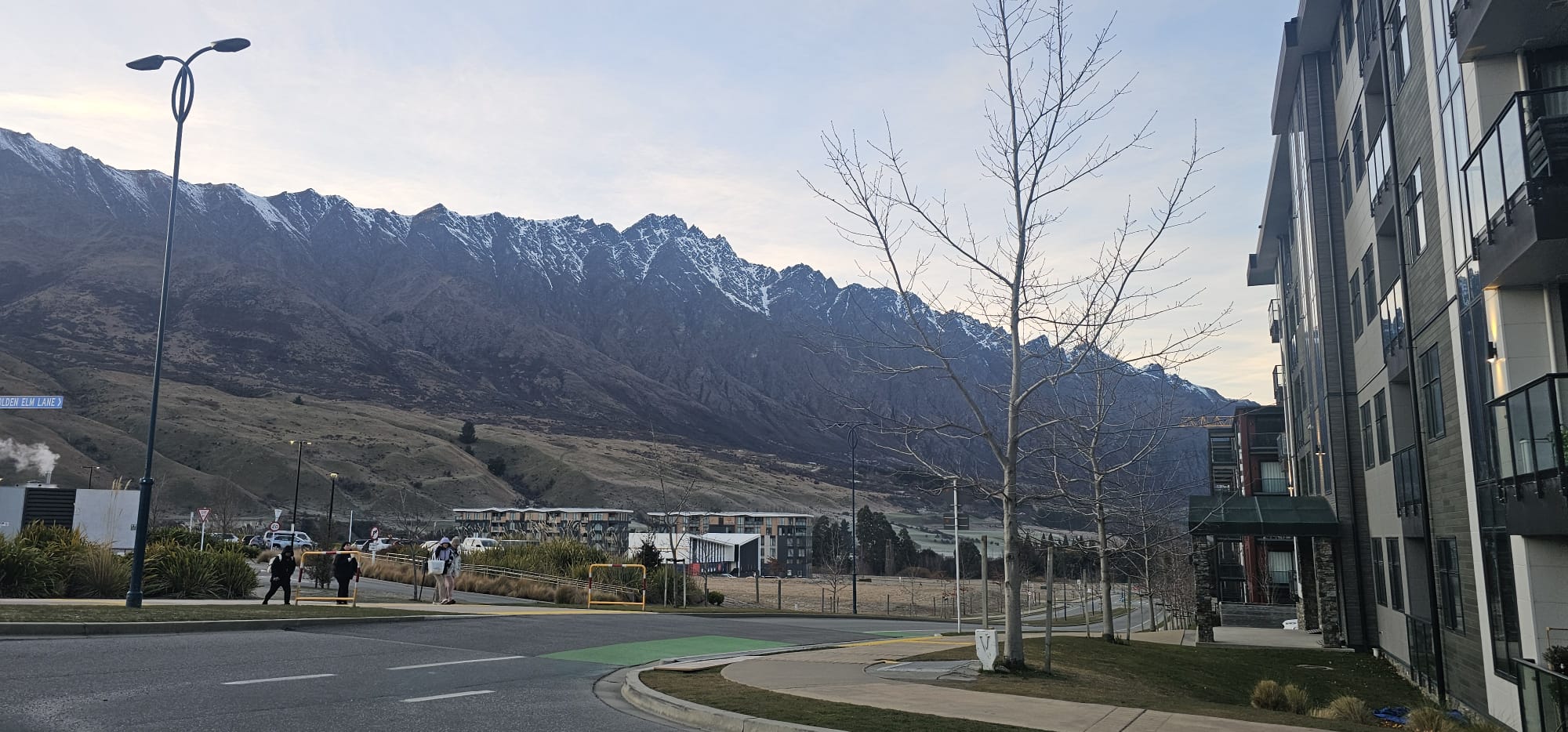
As Queenstown grows, housing becomes part of a wider debate about who can live in the district. Photo by Queenstowining.
The sociologist Saskia Sassen has studied how, in many cities around the world, buildings and land have stopped being seen only in terms of their immediate use. A property can also become a way of storing wealth, generating returns or waiting for its value to increase. In other words, it can have value because someone lives in it, but also because someone expects to make money from it.
In Queenstown, this discussion stopped being merely theoretical a long time ago. Samantha McGough’s research on Airbnb showed that tourist accommodation could create economic opportunities and contribute to tourism, but could also increase pressure on housing availability and prices and make it more difficult to retain workers.
Recent data recorded around 2,600 active short-term accommodation listings in Queenstown between August 2025 and July 2026. According to the author’s estimate, that represents roughly 27% of the city’s housing stock. This shows that the boundary between housing and tourist accommodation is becoming increasingly unclear.
So, another question appears, one that urban planning may need to ask more often: When does a house stop functioning primarily as a home and begin functioning primarily as tourist infrastructure?
The question does not mean being against tourism. Quite the opposite, Queenstown depends heavily on it. Tourism creates jobs, attracts investment, supports businesses and connects the city with the rest of the world. It would be difficult to imagine today’s Queenstown without it.
The problem appears when we begin to ask how the benefits and costs of that success are distributed.
Can a city continue to grow if some of the people who work there struggle to find somewhere to live? Can the number of visitors increase indefinitely without also increasing pressure on roads, services, the environment and housing?
Is there a limit to tourism growth? And perhaps the most difficult question: who decides where that limit is?
Raffestin, a Swiss geographer, argues that territory is never neutral. Different interests can exist over the same space and generate tensions. For an investor, a property can be an opportunity. For a family, it can be their home. For a tourist, it can be the place where they spend a week. For a worker, it can be the place where they need to live in order to get to work every day.
Everyone looks at the same territory, but they do not necessarily see the same thing.
That is why the future of Queenstown cannot be measured only by the number of visitors, new developments or property prices. We also need to ask what kind of community this growth is producing.
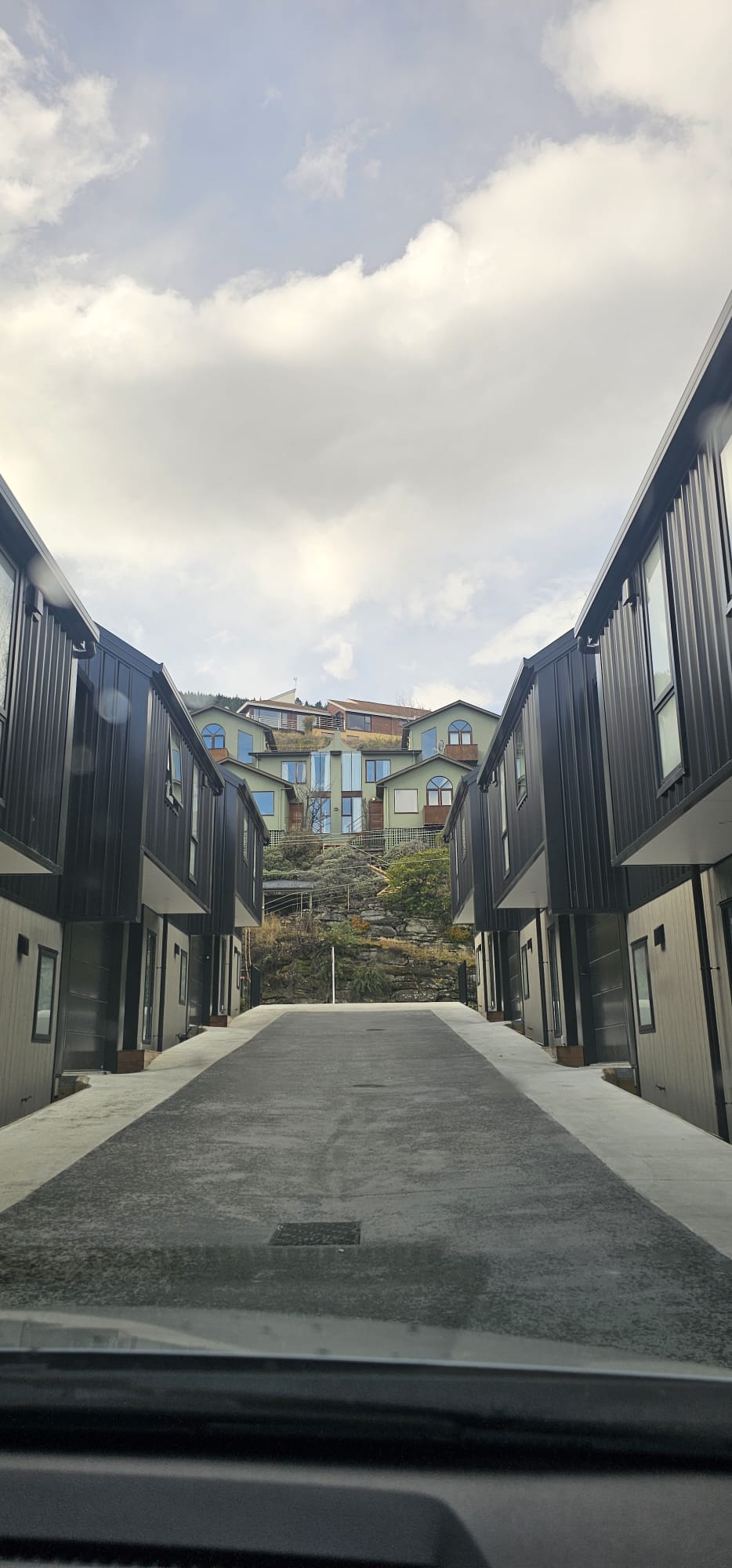
As Queenstown grows, housing becomes part of a wider debate about who can live in the district. Photo by Queenstowining.
Community is built when people can remain in a place long enough to create connections. When they can make friends, start a family, open a business, participate in an organisation or simply meet someone they know in the street.
If the people who sustain Queenstown’s economy every day cannot afford to live here, what happens to the community?
This is not a question exclusive to Queenstown either. Many European and North American cities are experiencing similar processes. Property investment, tourism and new forms of accommodation are transforming places.
But Queenstown has something that many larger cities do not: it is still small enough for its residents to ask themselves what kind of city they want to build.
It would be absurd to try to stop growth or reject tourism out of nostalgia for returning to a city that no longer exists. Perhaps the challenge is something else: deciding what growth means.
Do we want a city that becomes increasingly efficient at receiving visitors, or a city where it is also possible to build a life?
Can Queenstown continue to be a global destination without becoming completely a global product?
Can the economic value of its territory grow without making it increasingly difficult to live here?
And, above all, what capacity does the community itself have to participate in these decisions?
Perhaps the answers do not lie only in building more. We also need to build community through new meeting places, new networks and new conversations about the future. Because territory is not only something we transform; it is the place we inhabit.
The most important question is not how much further Queenstown can grow, but what place remains for those who want to live here.
Who can live in the place that everyone wants to visit?
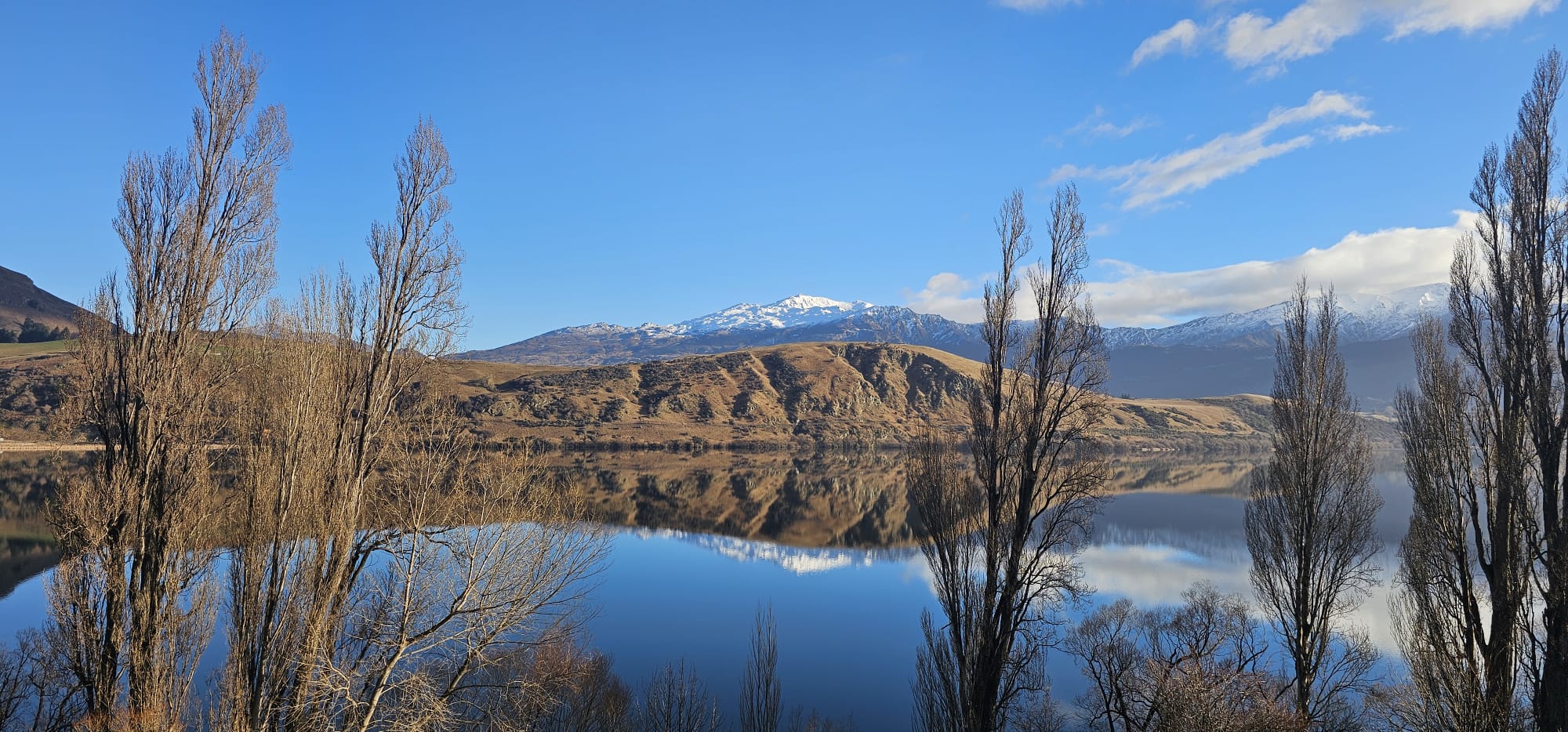
The landscape that made Queenstown one of the world’s most recognisable destinations. Photo by Queenstowining.
Email: Joaquinbenedictow@gmail.com
Instagram: @Joaquinbw
Sources & further reading
And list the key works/data sources used:
Michael Woods (2011) - The Local Politics of the Global Countryside: Boosterism, Aspirational Ruralism and the Contested Reconstitution of Queenstown, New Zealand.
Samantha McGough (2020) - Managing the Impacts of Airbnb: A Case Study of Queenstown, New Zealand, University of Otago.
Short-term accommodation data - approximately 2,600 active listings recorded between August 2025 and July 2026. The estimate that this represents roughly 27% of Queenstown's housing stock is the author's calculation.
Saskia Sassen - referenced for her work on cities, property, capital and the transformation of urban land into financial assets.
Claude Raffestin - referenced for his work on territory, territoriality and relations of power.
ABOUT THE AUTHOR
Contributor - Geography & Urban Affairs
Joaquín Benedicto is an Argentine geographer whose work explores territory, landscape and urban transformation. He is currently completing postgraduate studies in Metropolitan Governance at FLACSO.
View profile →
Enjoyed this story?
Queenstowning is independently built. If you enjoy what we’re creating, you can help keep the stories coming by buying the team a coffee.
Buy the team a coffee ☕
Tag @Queenstowning or use #Queenstowning and show us your version of the Queenstown state of mind.